
Effective climate action depends on local governments having the people and expertise needed to turn plans into projects. Yet many municipalities lack the capacity to develop climate strategies, navigate funding opportunities and coordinate action across departments.
To address this challenge, Germany has spent almost two decades investing in dedicated Municipal Climate Managers. Through federal support programs, municipalities can secure funding to hire climate professionals who help develop local climate plans, unlock funding, engage stakeholders and drive implementation. What began as a way to strengthen municipal capacity has evolved into a nationwide network of practitioners helping translate national climate goals into tangible local action.
Today, Climate Managers are embedded in municipalities across Germany, serving as the link between political commitments and implementation on the ground. Depending on local priorities, they develop strategies and action plans, identify and shape projects, coordinate across municipal departments and connect local governments with regional and national funding opportunities.
Germany’s experience shows that permanently embedded local expertise can support the implementation of climate measures on the ground and increase their impact. Municipalities with dedicated Climate Managers have secured substantially higher levels of external funding and implemented larger, more ambitious projects. But beyond the numbers, their impact can be seen in communities across the country.
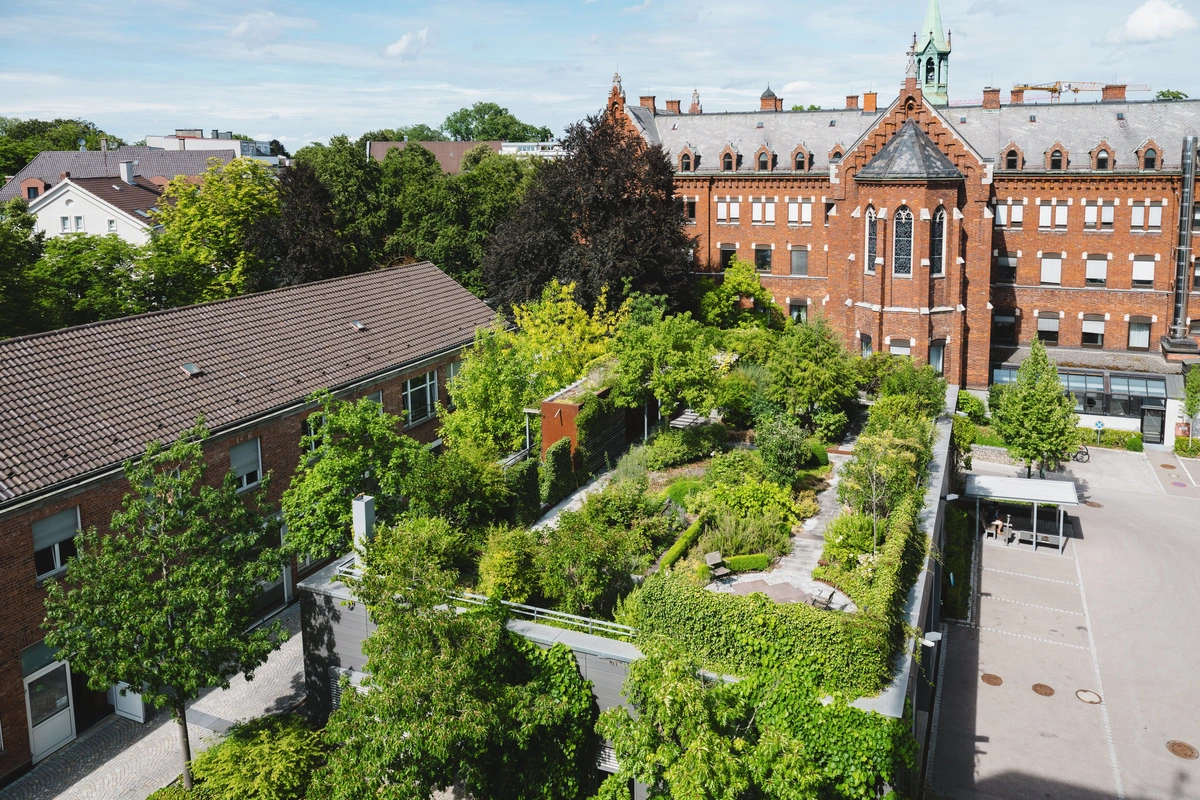
Municipal Climate Managers: Enablers on the Ground
For Lena van der Kamp, Climate Action Manager in the City of Solingen, the role is fundamentally about connecting people and opportunities. Solingen’s goal is to become greenhouse-gas neutral on a net basis by 2040, supported by targets and measures across multiple sectors. Lena helps turn these goals into action by building relationships across the administration, finding colleagues whose projects can advance climate objectives, and helping them identify funding opportunities. For example, a construction project that might seem too expensive when including measures for climate resilience can become feasible if additional funding sources can be mobilized.

"The greatest value of Climate Managers lies in having someone who takes charge and feels responsible. Even though climate action is voluntary for municipalities, this person has a clear mandate to move the issue forward, and, at times, may need to be a little persistent. Having people like this in local governments is essential", Lena van der Kamp, Climate Action Manager in Solingen.
Thinking out of the box to develop innovative financing approaches as well as building on proven instruments helps complementing national and state-level funding options and municipal core funding. In Weinstadt, the Remstal Citizens’ Energy Cooperative was established to expand renewable energy installations. The municipal utility, city administration, city council, banks, and civil society, local businesses worked together to set-up and mobilize finance for this endeavour, with broad citizen participation.
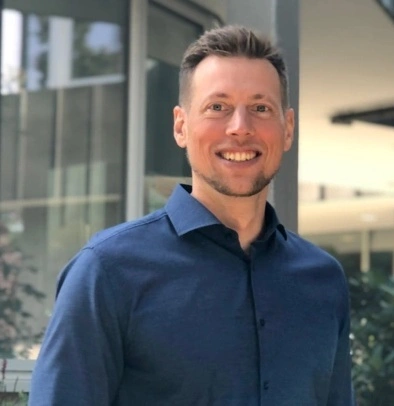
"Climate action makes a convincing case when it is seen as a way to reduce costs and strengthen the local economy. I am convinced that expanding renewable energy locally can turn it into a genuine asset for the community, generating revenue for municipal budgets. This can have positive effects on value creation, independence and future security", Friedrich Huster, Former Climate Action Manager in Weinstadt.
Climate Managers also engage businesses, civil society and residents, building support and bringing local knowledge into the process. In Worms, this took place in the context of a “sustainability week” that mobilized local stakeholders and created new opportunities for residents to actively engage with the sustainability transition at their doorstep.

"As part of our action plan against urban heat, we regularly conduct workshops with social institutions and local businesses. It is motivating to see how these exchanges inspire people to develop their own ideas and begin to make their own structures more climate resilient. It shows that our work makes a real difference and sets things in motion", Marcus Engelbrecht, Climate Adaptation Manager in Worms.
The experience of Climate Managers in Worms also shows the importance of tapping into different funding sources: funding from the federal state has enabled many mitigation and adaptation measures, including unsealing and greening urban spaces, small-scale funding schemes for residents’ initiatives, and energy-efficient renovations of municipal buildings.

"Local conditions vary significantly from one municipality to another, making it particularly exciting to develop solutions tailored to each local context. This requires engaging in dialogue, providing inspiration, planning measures, and fostering collaboration with the local community, because only in this way can local transformation truly succeed", Annika Dörrhöfer, Climate Adaptation Manager in Worms.
Martin Hirning, former Climate Action Manager in Oftersheim, organized workshops on topics like mobility, sustainable consumption and power generation with citizens drawn by lot. Regular articles in the local press to reach a wider audience, and a monthly climate action get-together was also created as a relaxed forum for discussion on climate action for anyone interested.
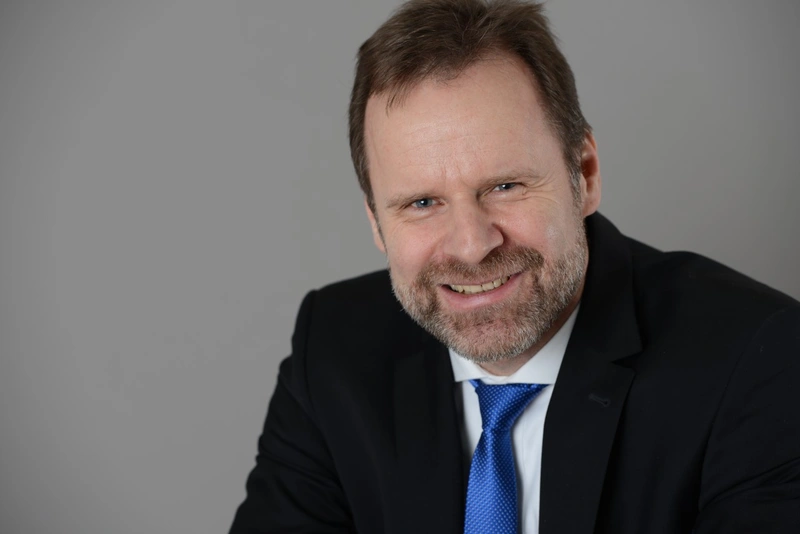
"When citizens understand why something is being done, half the battle is won. My advice is for climate action managers to engage directly with people in their communities and advocate for the measures—that’s what comes across as most credible", Martin Hirning, Former Climate Action Manager in Oftersheim.
The added value of Climate Managers is practical and connective: they give climate action a dedicated point of responsibility within the municipal administration and help move it from plans into projects and everyday municipal decisions.
National Funding to Kick-Start Municipal Action
One of the key lessons from Germany is that municipalities often need external support to establish dedicated and skilled climate positions. Since 2008, the German National Climate Initiative (NKI) has supported Municipal Climate Action Managers through its Municipal Directive (Kommunalrichtlinie), while a funding program under the German Adaptation Strategy has supported Climate Adaptation Managers since 2021.
The approach is designed to help municipalities build lasting capacity. Initial funding supports both the Climate Manager position and the development of a climate action plan. A subsequent project of up to three years may be funded to implement the plan’s measures. Federal grants cover a defined share of eligible costs, from 40% up to 90% for financially restrained communities, requiring municipalities to secure the remaining funding. After federal funding expires, the municipalities need to cover the costs for continuing the employment of the Climate Managers, which can be a challenge for municipalities with limited resources.
As Lena van der Kampfrom Solingen emphasizes, many permanent municipally funded positions like hers might never have been created without initial federal funding to establish them.
Building Expertise Through National and Regional Centers
Creating positions is only part of the equation. Climate management is still an emerging professional field, making capacity building essential. Germany’s federally funded Centre for Climate Adaptation (ZKA) and Agency for Local Climate Action support municipalities through advice, training and networking opportunities. Their services help climate managers strengthen practical skills and connect with peers. For example, the ZKA offers training in climate adaptation management, a mentoring program, regional workshops and networking events, as well as guidance on navigating funding opportunities. The Agency for Local Climate Action provides comparable support for municipal climate mitigation. Regional climate and energy agencies support networking on federal state level.
These networks allow Climate Managers to learn from one another, share practical solutions and develop the specialized skills needed to design projects, engage stakeholders and navigate funding opportunities. Experience also points to the value of including a dedicated training budget when funding a Climate Manager. This helps ensure that staff can continue developing the knowledge and skills needed.

Creating Impact by Catalyzing Planning and Investments
Germany's experience suggests that investing in establishing Climate Managers leads to tangible impacts. A study by the German Environment Agency (UBA) published in 2022 demonstrates that Climate Managers serve as vital catalysts for local decarbonization by driving project implementation and securing external funding. Municipalities with dedicated Climate Managers acquire three to five times higher grant volumes and utilize a significantly broader range of funding programs compared to those without staff. By building specialized administrative expertise, climate managers enable local governments to execute larger, more complex investment projects, such as building retrofits and sustainable mobility initiatives.
The study further found that municipalities with Climate Managers achieve substantially higher cumulative greenhouse gas reductions. Small municipalities (<20,000 residents) expanded their GHG reductions per municipal year over the lifespan of measures from 150 t to 1,328 t CO2e after appointing climate managers, while large cities (>100,000 residents) more than quadrupled reductions from 594 t to 2,595 t CO2e. Although these estimations are subject to methodological uncertainties, the findings reinforce what the experiences from Solingen, Weinstadt, Worms and Oftersheim suggest: dedicated local expertise helps translate climate ambition into implementation.